
National Highway-37: Imphal's Economic Lifeline
DEVELOPMENT
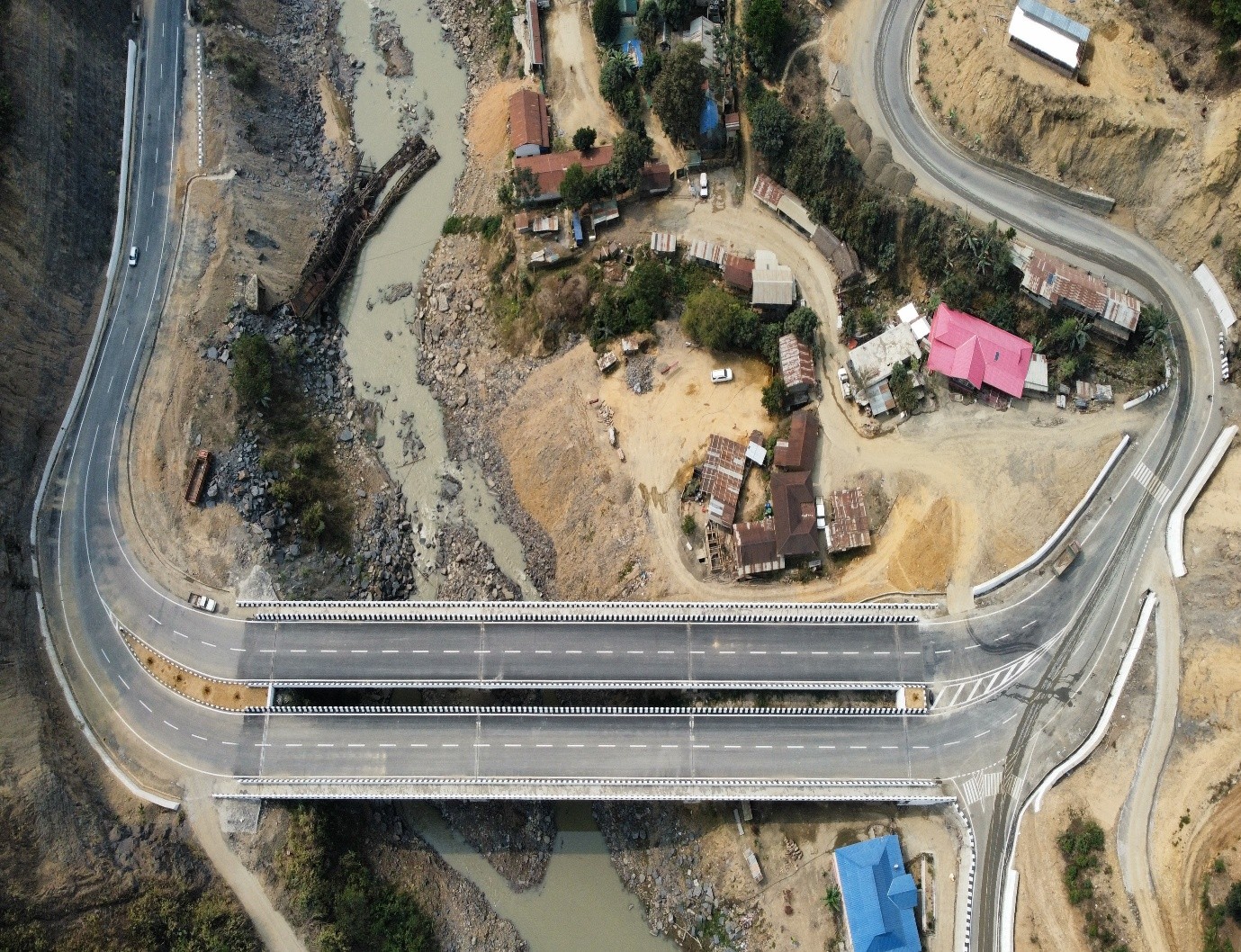
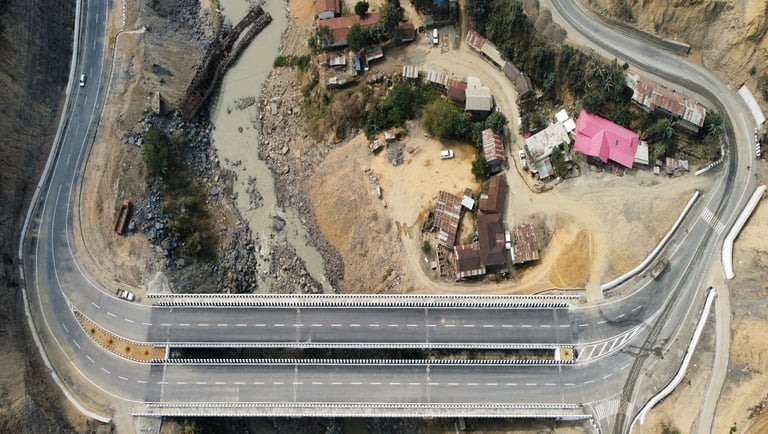
Imphal: For the people of Manipur, National Highway-37 is far more than a stretch of road. It is an economic lifeline, a supply corridor and, increasingly, the state's most dependable link with the rest of the country. Connecting Imphal to Jiribam and onward to Silchar in Assam, NH-37 has assumed unprecedented importance since recurring disruptions along National Highway-02 via Nagaland forced much of Manipur's traffic onto this western corridor.
Image: Construction and Maintenance of 154 m span steel superstructure bridge at Km 145.09 over River Barak and 122 m span steel superstructure Bridge at Km 189.80 over River Makru
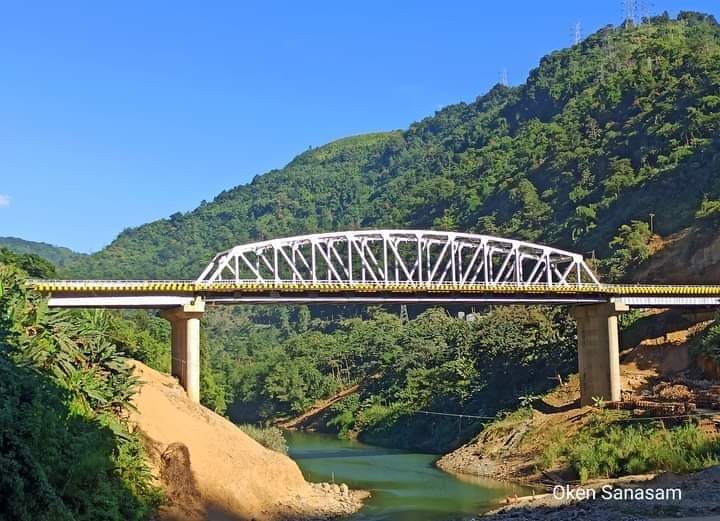
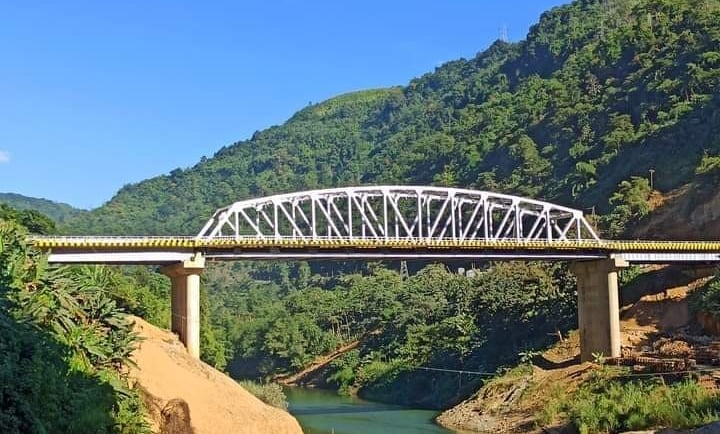
Image:Construction of 4-Lane Bridge over Irang River (Irang Bridge) on Imphal- Jiribam road (NH-37)
Recognising its strategic significance, the Ministry of Road Transport and Highways (MoRTH) launched a ₹1,300-crore project in 2022 to widen and upgrade the 203-km out of the total stretch of 224-km of the Imphal-Jiribam highway into an all-weather road. Four years later, while the project has visibly transformed large sections of the highway, the road is yet to live up to its promise of becoming a reliable all-season corridor.
Until recently, public opinion had largely favoured the project. Long stretches of newly improved road considerably reduced travel time, and modern Reinforced Cement Concrete (RCC) bridges replaced the ageing Bailey bridges that had long restricted the movement of heavy vehicles. Frequent travellers recall that the journey from Imphal to Jiribam, which once took 7- 8 hours or more, had been reduced to around 4 to 5 hours.
However, the arrival of the monsoon has once again exposed the highway's vulnerabilities. "With just a little rain, we are back to square one," said a regular commuter who frequently travels between Imphal and Silchar. According to him, potholes, waterlogged stretches and landslides have pushed the travel time back to 7 or 8 hours. What had begun to look like a modern highway is once again testing the patience of commuters and transporters alike.
The disappointment stems not merely from the deteriorating condition of the road but from the expectation that the project was meant to create an all-weather highway capable of withstanding precisely such seasonal challenges.
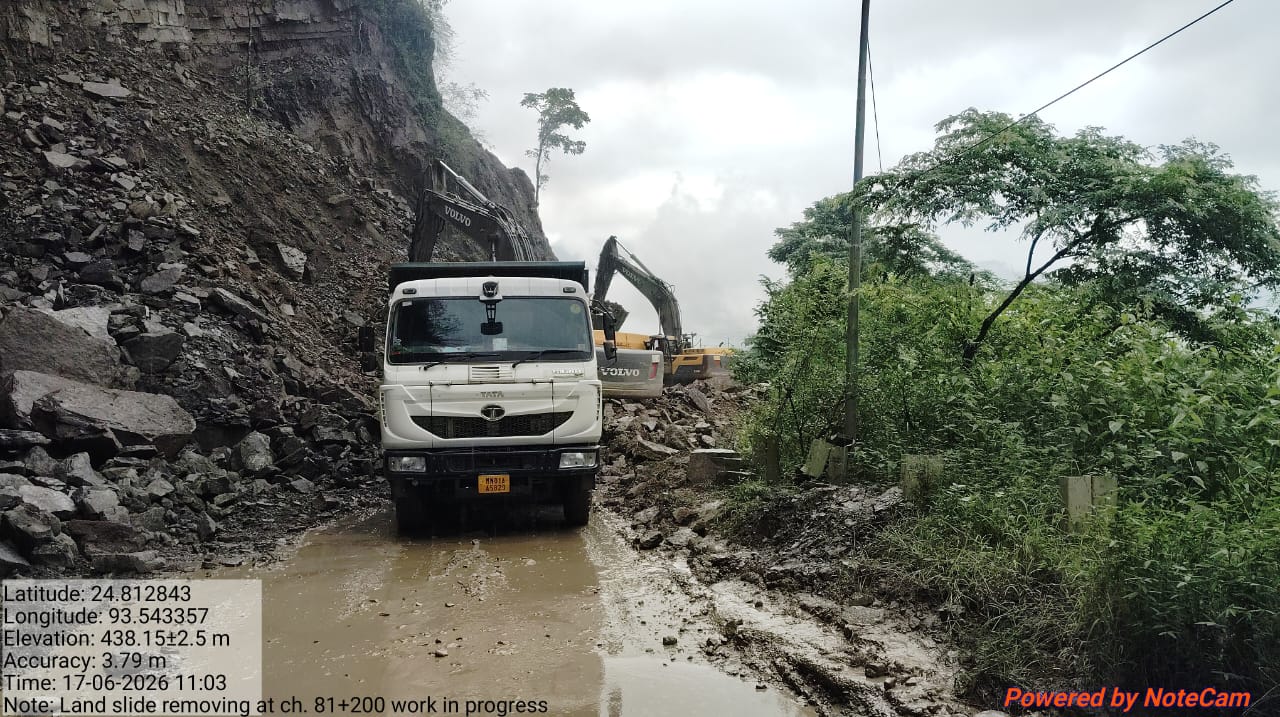
Image: Landslide removing at ch. 81 +200 work in progress
Construction on NH-37 has been progressing under seven separate packages since 2022. According to the National Highways and Infrastructure Development Corporation Limited (NHIDCL), Packages I and III have already been completed, while the remaining five packages have achieved between 85 and 90 per cent physical progress. Dense Bituminous Macadam has been laid over nearly 190 kilometres of the highway, and the Union Government has already released ₹1,040 crore, or nearly 80 per cent of the sanctioned project cost.
One of the project's most visible achievements has been the construction of permanent RCC bridges over the Irang, Barak and Makru rivers, replacing the narrow Bailey bridges that had served as major traffic bottlenecks for decades. These structures have significantly improved the movement of heavy vehicles and enhanced the highway's carrying capacity.
Yet the road itself continues to face recurring damage during the rainy season.
NHIDCL attributes the problem to multiple factors. Deputy General Manager Rafique Ahmad Choudhury said the project encountered delays arising from extensive surveys, land-related disputes, natural calamities and protests by roadside villagers. He further pointed out that since the ethnic conflict of May 2023 and the frequent closure of NH-02, traffic on NH-37 has increased dramatically. Daily convoys have nearly doubled, with close to 1,000 vehicles now using the highway every day, accelerating the wear and tear on stretches that are still under construction. Road engineers explain that pavement layers under construction are especially vulnerable to such traffic before the final wearing course is completed. Combined with prolonged rainfall, the deterioration has accelerated.
The agency has identified six critical locations—Keiphundai, Shantikhunou, Barak, Nungba, Rengpang and Irang—as the worst affected stretches. NHIDCL has assured that these damaged portions, along with other problematic sections, will be restored to a comfortable motorable condition within July and that the entire project will be completed by December 2026.
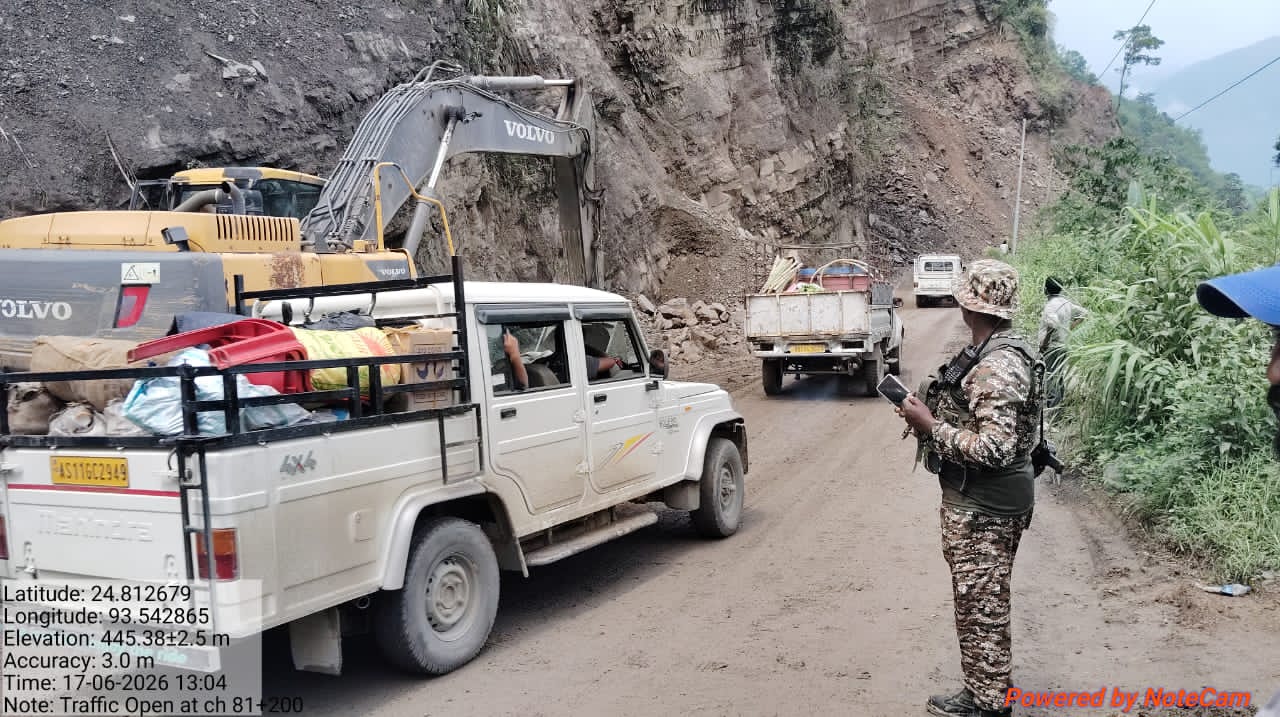
Image: Imphal to Jiribam section of NH-37
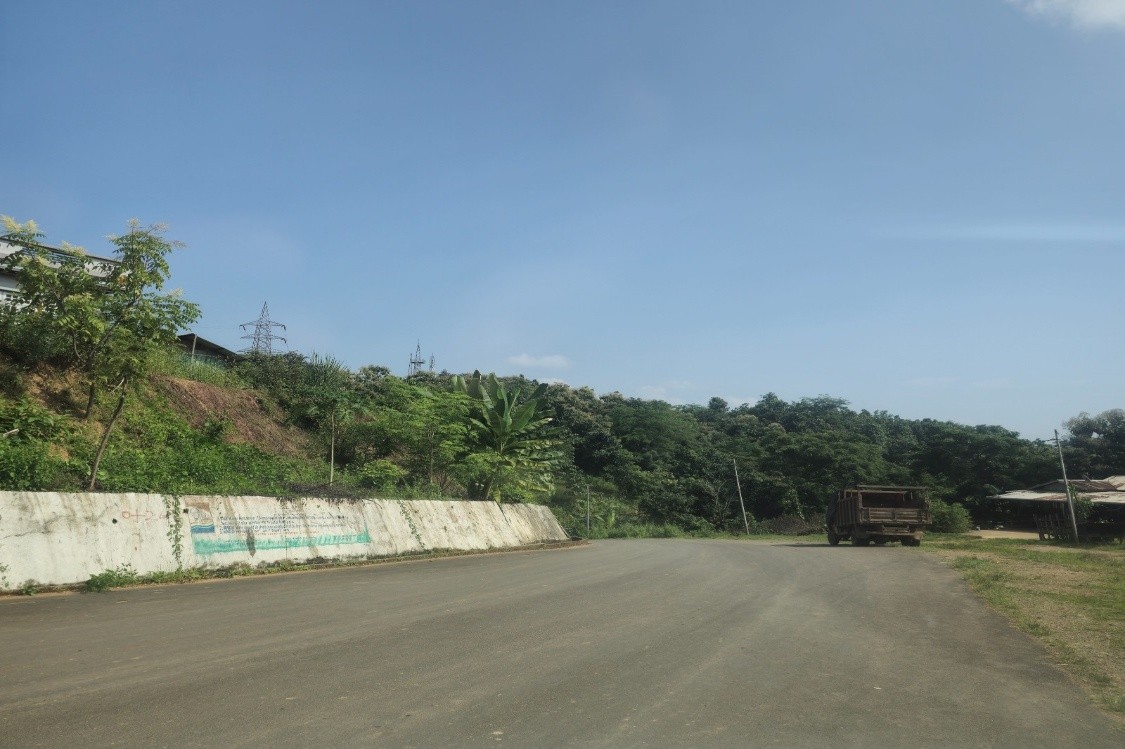
Image: Imphal to Jiribam section of NH-37
However, transporters remain unconvinced.
The All Manipur Road Transport Drivers and Motor Workers Union has criticised NHIDCL's pace of work and questioned the quality of maintenance. The union alleges that blocked roadside drains allow rainwater to flow across the carriageway, rapidly damaging newly constructed sections. It has also blamed repeated landslides on steep vertical hill cutting during road widening. Recently, truckers reported that hundreds of vehicles remained stranded after landslides and poor road conditions disrupted traffic between Noney and Nungba, even as repair work allegedly slowed.
NHIDCL has rejected these allegations, maintaining that repair works are continuing in full swing and that diversions are being provided wherever required.
The debate reflects a larger developmental challenge. For a landlocked state like Manipur, road connectivity is not merely about convenience but about economic resilience. Every disruption affects the supply of food, fuel, medicines and other essential commodities. As NH-02 continues to face periodic blockades, NH-37 has become indispensable to the state's economy.
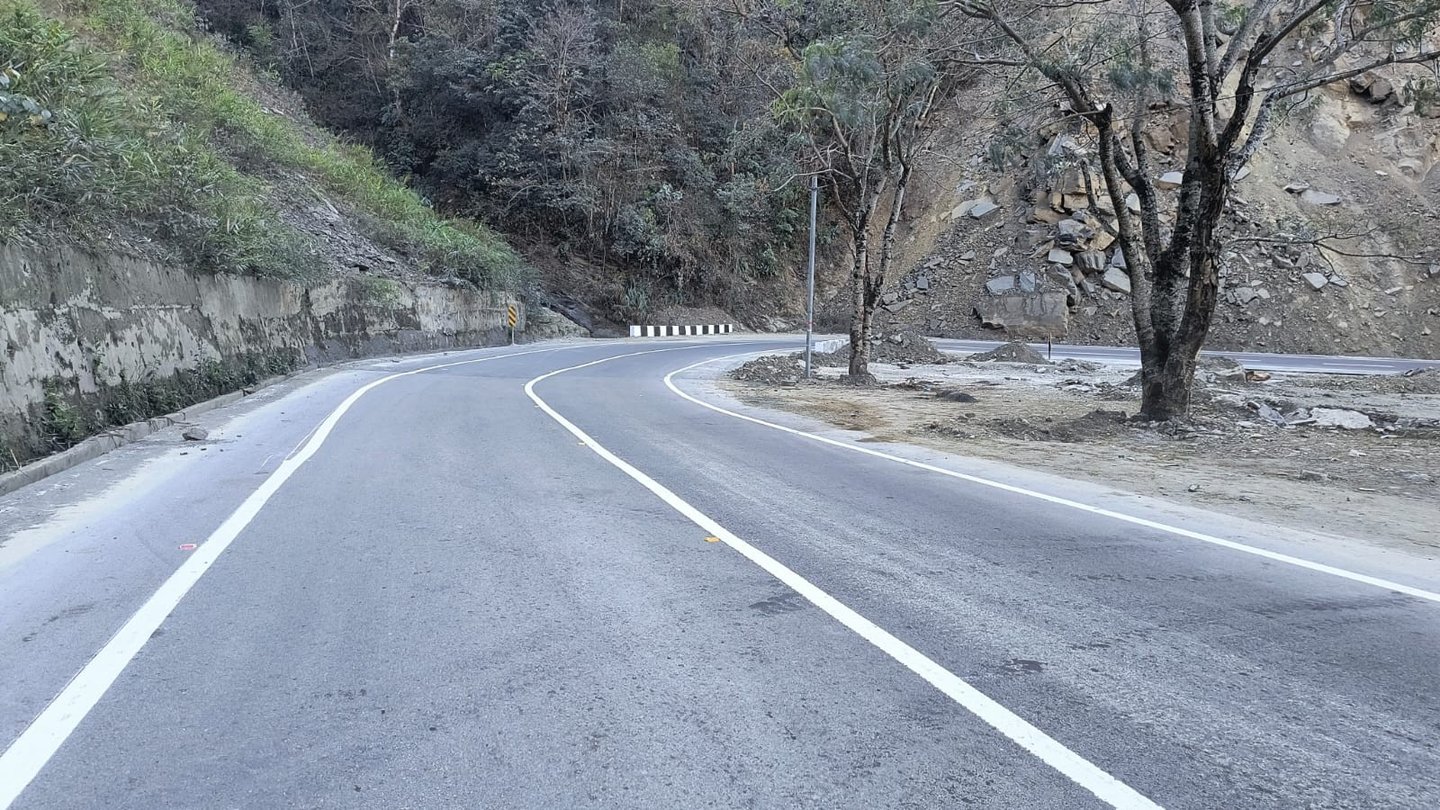
Image: Road maintenance of Imphal to Jiribam section (NH-37)
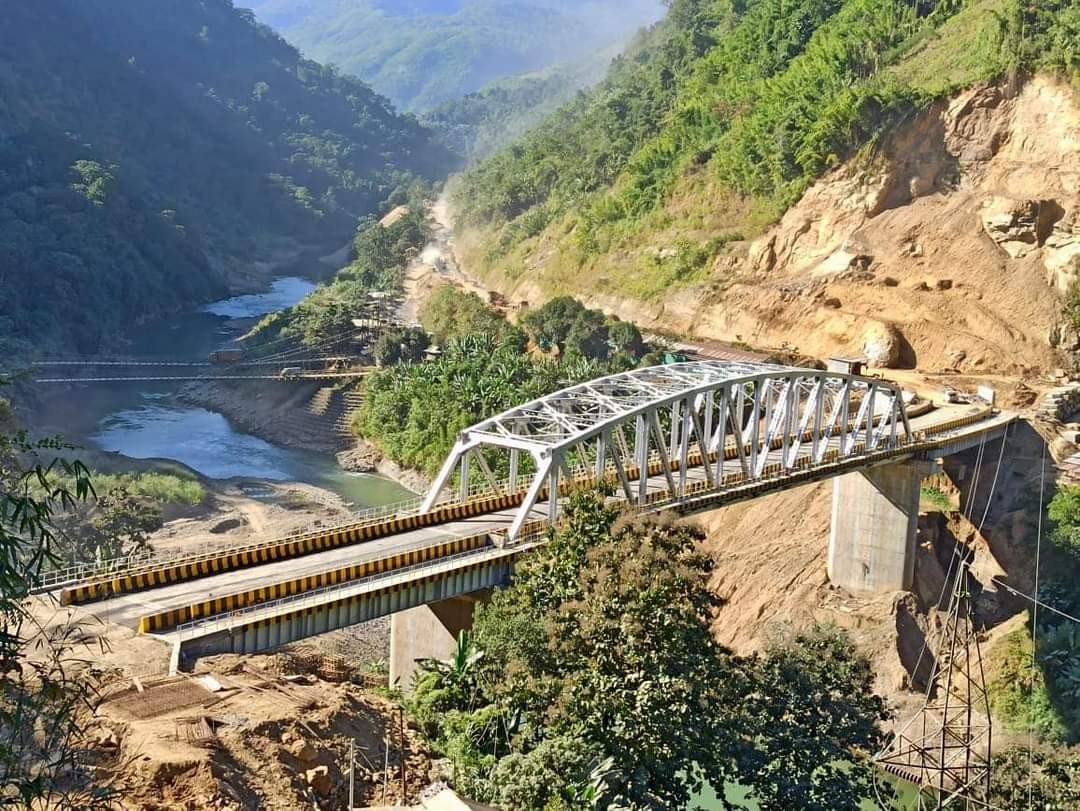
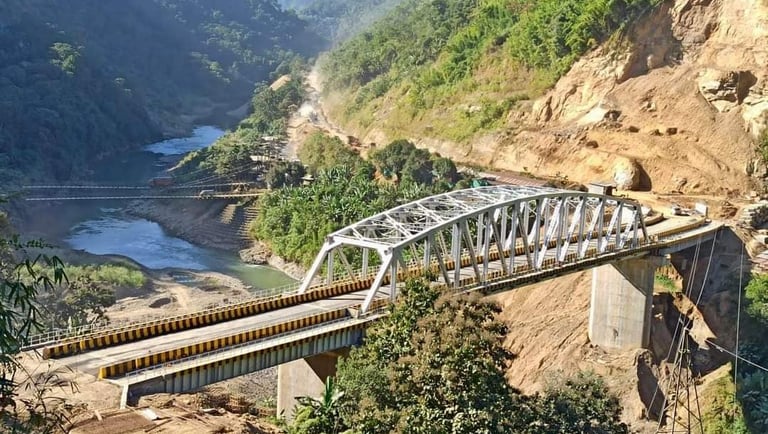
Image: Makru bridge NH-37
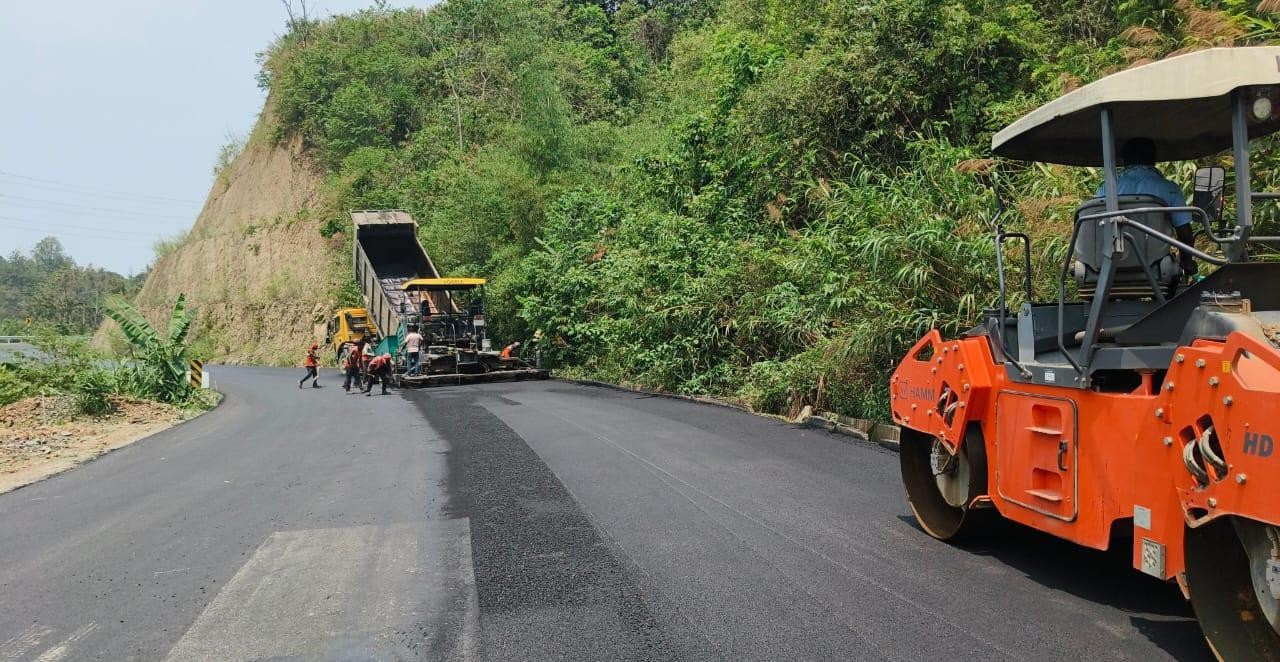
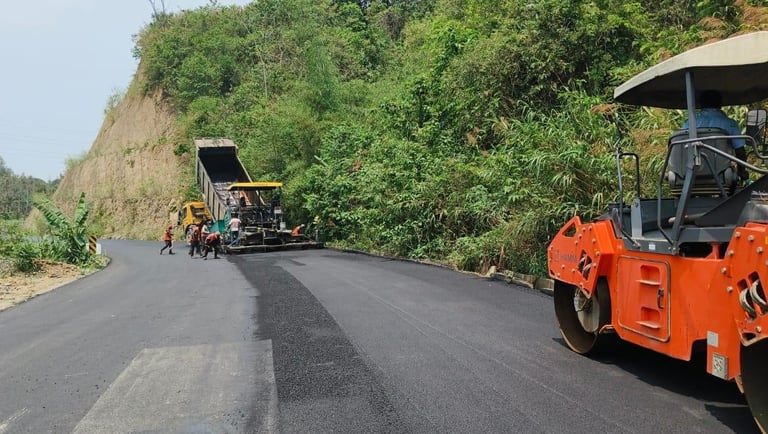
Image: Imphal to Jiribam section of NH-37
The visible progress achieved over the past four years demonstrates that the project is moving in the right direction. Yet, for the people who depend on this highway every day, success will not be measured by kilometres completed or funds released. It will be judged by a simpler benchmark—whether the road remains safe and motorable during the monsoon.
With NHIDCL promising completion by the end of 2026, the coming months will determine whether NH-37 finally fulfils its long-awaited role as Manipur's true all-weather lifeline or remains another infrastructure project whose promise is repeatedly washed away by the rains.
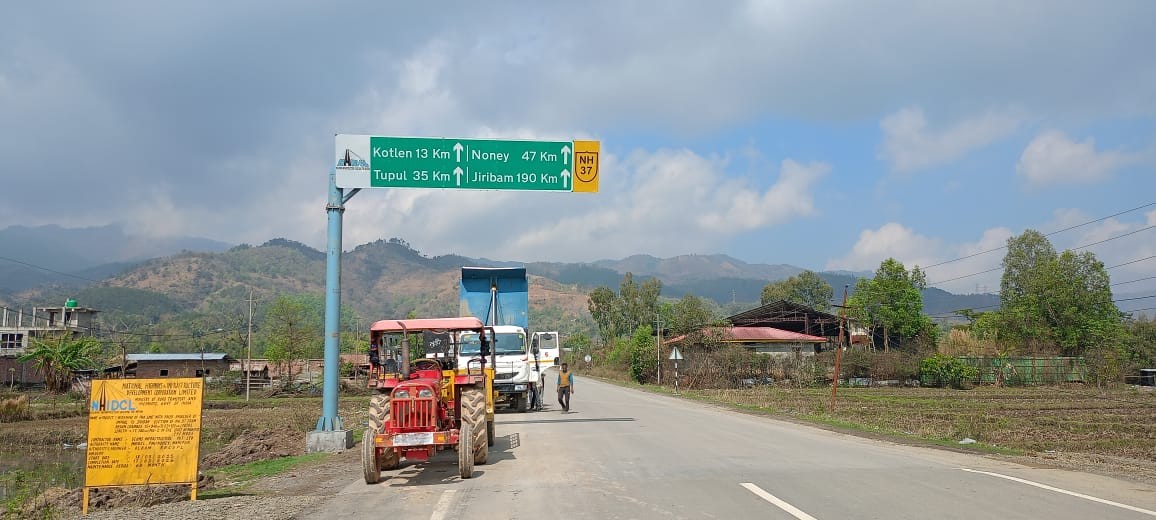
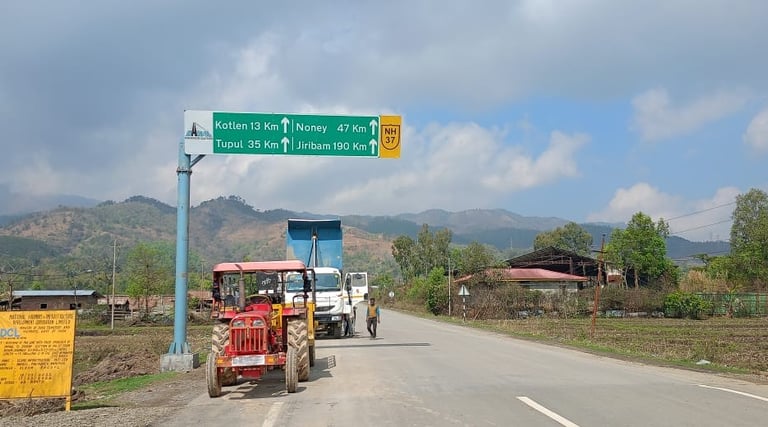
Image: Traffic open at ch 81 +200
CONTACT
Waari Singbul Office
Konung Mamang
Imphal – 795001
© Copyright 2023 Waarisingbul.com. All Rights Reserved