
Kangla Fort’s Living Green Heart
ENVIRONMENT
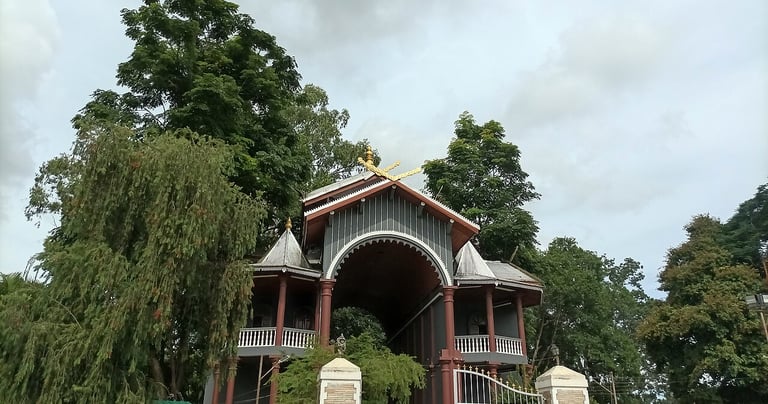
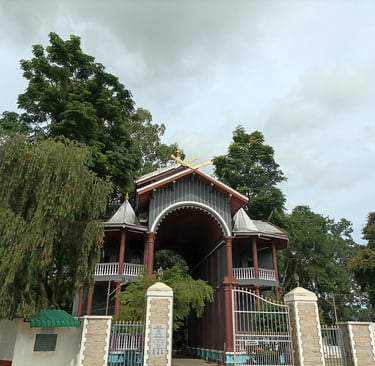
Imphal: In the middle of Imphal’s restless traffic, beyond the horns and the dust, there stands a gate that opens not merely into history, but into a breathing landscape. Kangla Fort—once the seat of kings, later a symbol of occupation, now reclaimed—has quietly grown into something more than a monument. It is a refuge. A green lung. A sanctuary where memory and migration meet in the flutter of wings.
Image: Western Gate of Kangla
On the morning of February 14, as the city was just stirring awake, forest officials, wildlife enthusiasts and young volunteers gathered inside the fort’s sprawling grounds. The Central Forest Division of the Government of Manipur, in collaboration with Wildlife Explorers, Manipur and the Kangla Board, conducted the Great Backyard Bird Count beginning at 7 a.m.—an exercise that may appear modest, but carries the weight of global ecological significance.
The Great Backyard Bird Count, a worldwide citizen-science initiative, is not about spectacle. It is about attention. It asks ordinary people to pause, to look up, to record what they see. In doing so, it builds a map of planetary health—species by species, city by city.
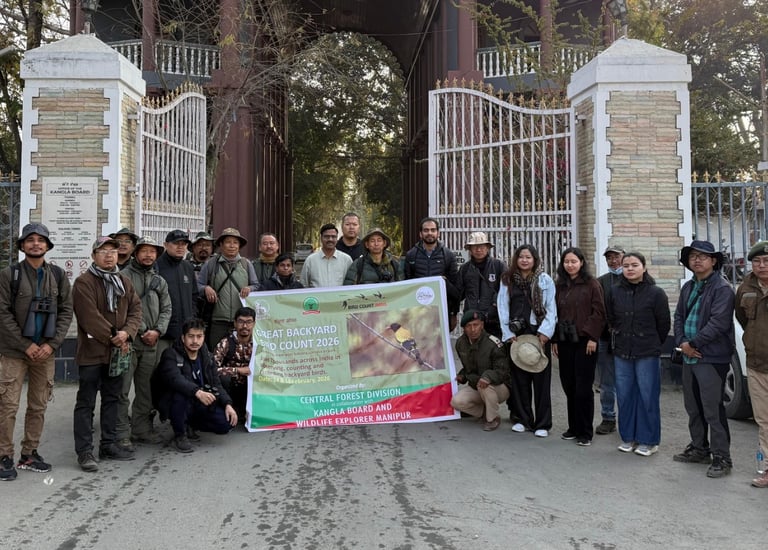
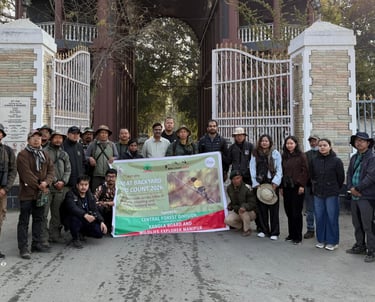
Image: The survey team in front of Western Kangla Gate
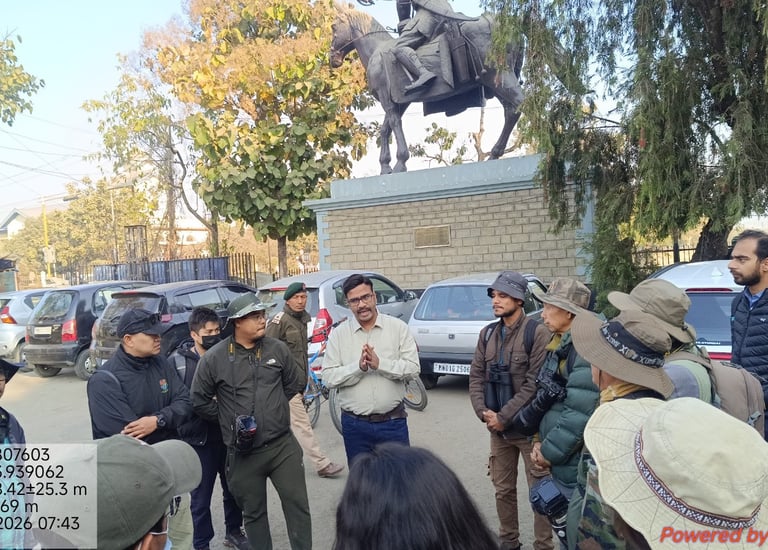
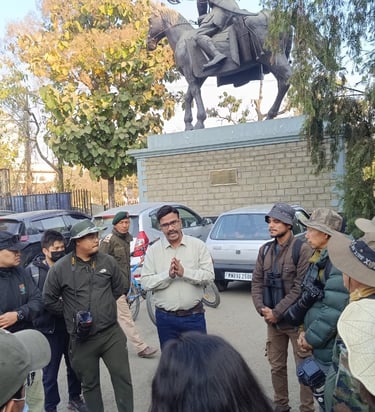
Image: The Central Forest Division official briefing the survey team before the Great Backyard Bird Count kicked-off.
Inside Kangla, the count revealed what many conservationists have long known: this historic complex is a biodiversity hotspot nestled within an expanding urban matrix. A variety of bird species were recorded within the premises, underscoring the fort’s role as a vital refuge amid the hardening surfaces of Imphal.
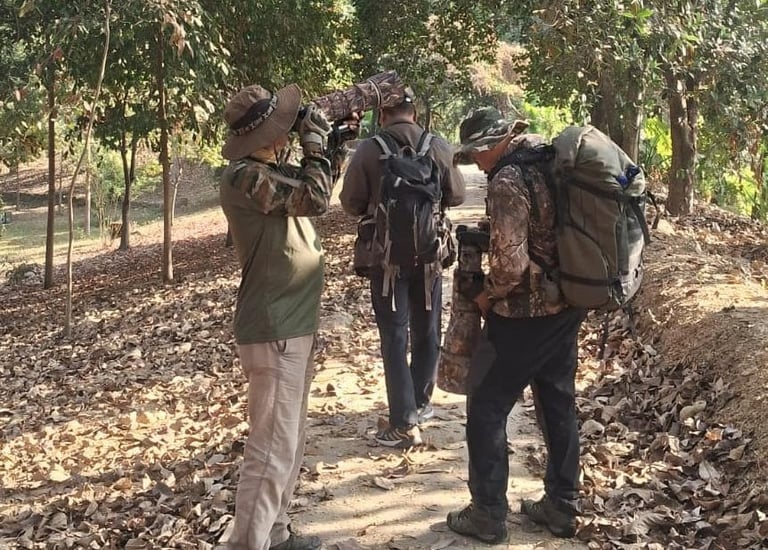
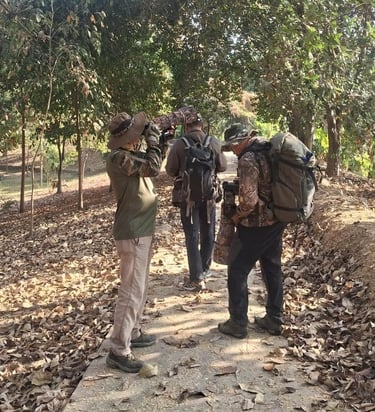
Image: Wildlife Explorers team in action inside Kangla, capturing on frame the winged guests
Shri Vikram Suresh Nadhe, IFS, Divisional Forest Officer of the Central Forest Division, described the exercise as “not merely a birdwatching activity, but a powerful citizen-science movement that connects people with nature.” Urban green spaces like Kangla, he noted, serve as critical habitats—stepping stones for migratory birds, breeding grounds for resident species, and living classrooms for youth.
His colleague, Assistant Conservator of Forests Shri Aquib Jamal, IFS, emphasized that public participation remains the backbone of conservation. Every bird recorded, he reminded participants, becomes part of a global dataset—an indicator of ecological balance or distress.
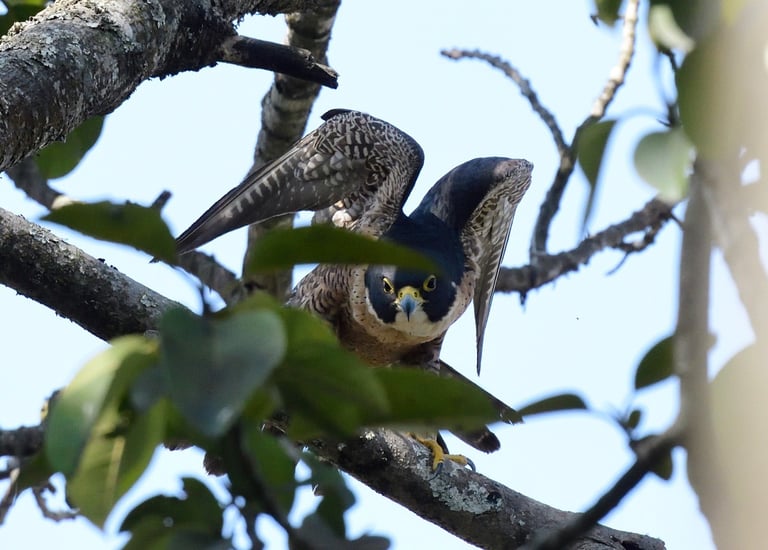
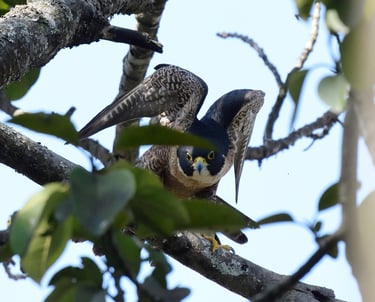
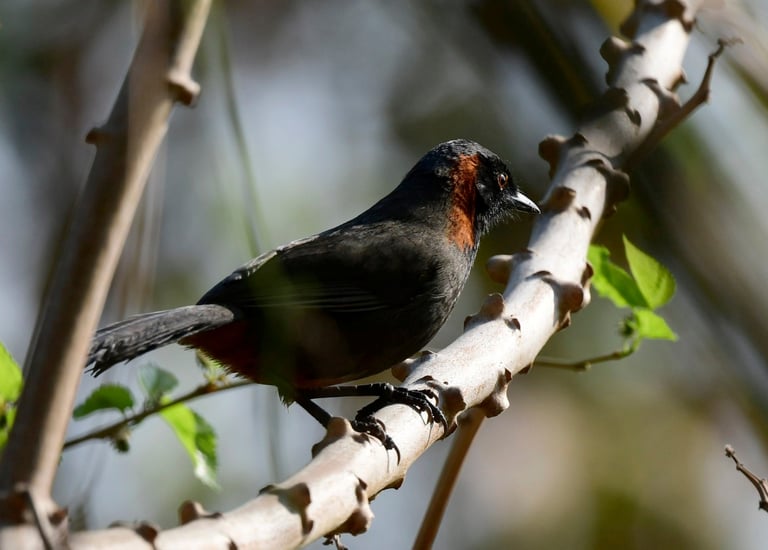
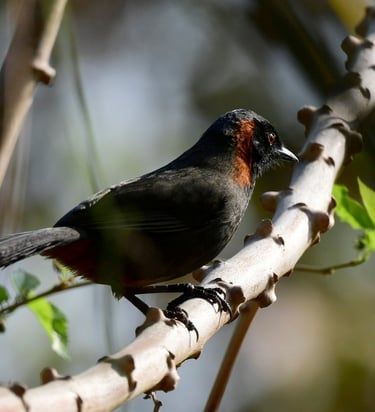
Image: Rufous-necked Laughingthrush perched amid thorny branches inside Kangla Fort. A skulking but vocal resident of Northeast India’s wooded habitats, its presence signals healthy undergrowth and layered vegetation within the urban green space.
Image: Peregrine Falcon perched high within Kangla’s trees. Among the fastest birds in the world, its occasional presence in urban landscapes reflects the adaptability of apex predators where prey and safe roosting sites remain available.
For Shri Brajesh Khoyumthem of Wildlife Explorers, Manipur, the significance is also local and immediate. Kangla Fort, he observed, continues to prove its importance as a biodiversity nucleus within Imphal. The growing number of young birdwatchers joining such exercises signals a generational shift—toward stewardship rather than indifference.
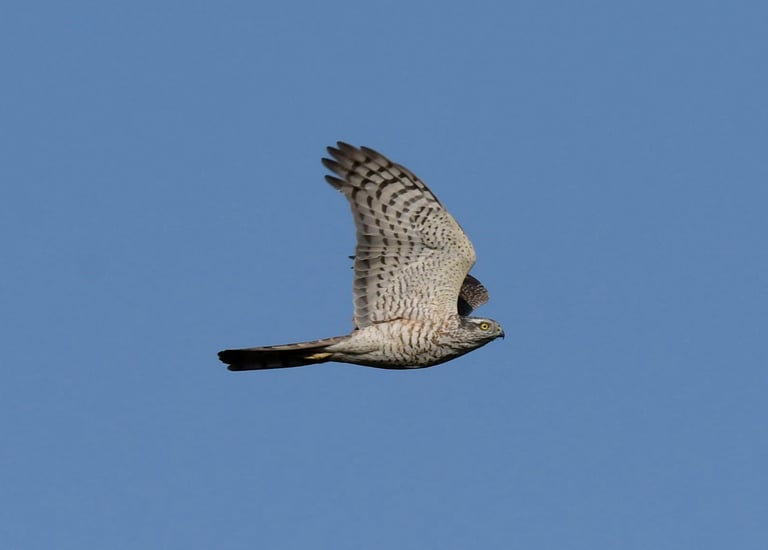
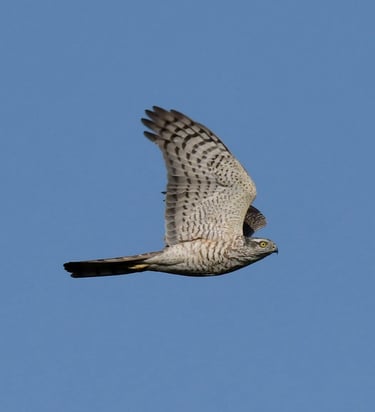
Image: Eurasian Sparrowhawk in flight over Kangla’s open canopy. A swift woodland predator, it thrives where small birds are abundant—evidence of a functioning food chain within the fort’s ecosystem.
A Sacred Landscape, Not Just a Tourist Site
To speak of Kangla merely as a biodiversity hotspot is to miss the deeper truth. This is sacred geography. The ancient capital of the Meitei kings, the site of coronations and rituals, the spiritual axis of Manipur—it holds layered meanings for its people. The twin Kangla Sha once guarded its mythic imagination; today, egrets and kingfishers glide over its water bodies.
History has scarred Kangla. Colonial occupation and later military control altered its landscape. Its eventual restoration to the people of Manipur was not just a political act but a cultural healing. In that restoration lies an opportunity: to rebuild not only memory, but ecology.
The fort’s open grasslands, wetlands, old trees and water channels form a mosaic habitat. Large canopy trees provide nesting sites. Shrub layers support insect life. Water bodies attract waders and migratory species. In ecological terms, Kangla functions as an urban biodiversity island—its value magnified precisely because it sits within a dense and growing city.
But islands are fragile.
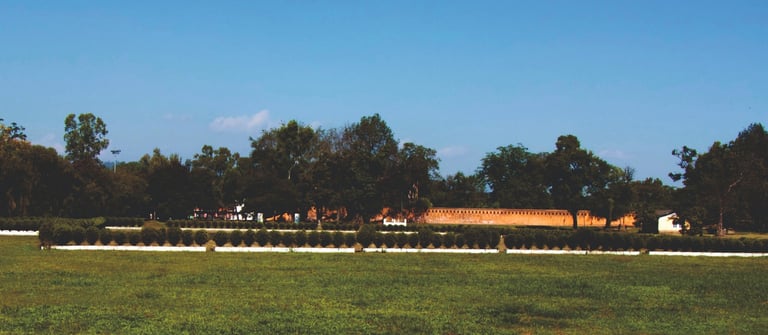
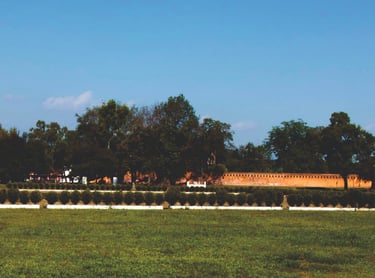
Image:Kangla Fort, the living lung of Imphal city
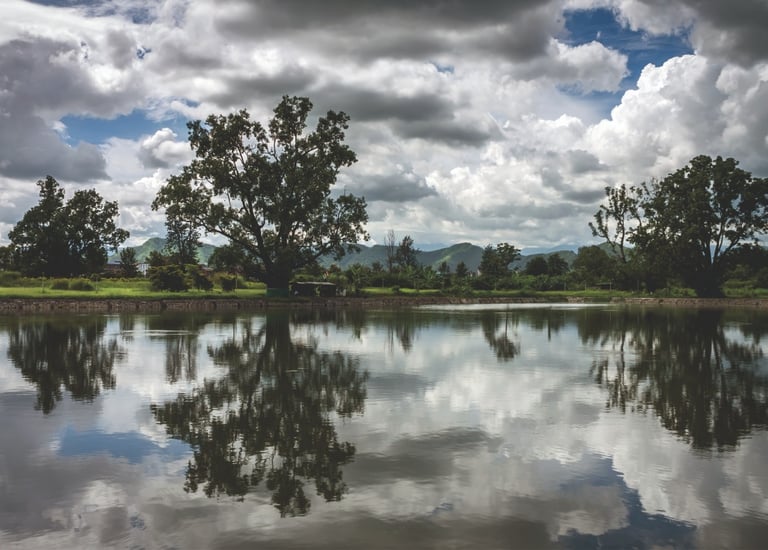
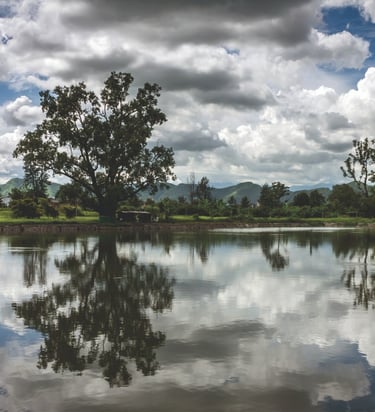
Image: Nungjeng Achouba, one of the many sacred ponds inside Kangla
The Present Reality: Promise and Pressure
Imphal is expanding. Concrete advances without apology. Noise levels rise. Plastic waste creeps in. Recreational use of heritage spaces increases. Without careful management, even well-intentioned tourism can erode ecological balance.
Bird counts like the one conducted on February 14 offer more than a pleasant morning exercise—they provide baseline data. If repeated annually with scientific rigor, such exercises can help detect population trends: Are certain species declining? Are migratory patterns shifting? Is urban heat affecting avian diversity?
Yet counting birds is only the first step. The future of Kangla’s flora and fauna depends on deliberate policy, vigilant management, and community ownership.
What Must Be Done
If Kangla is to endure as both a sacred space and a biodiversity haven, several measures demand urgent consideration:
1. Scientific Biodiversity Mapping: A comprehensive, season-wise inventory of birds, plants, insects, and aquatic life must be undertaken. Collaboration with local universities and research scholars can elevate citizen-science efforts into long-term monitoring frameworks.
2. Habitat Zonation: Certain ecologically sensitive pockets within Kangla should be demarcated as low-disturbance zones. Public access can be regulated without restricting the cultural and recreational essence of the fort.
3. Native Flora Restoration: Urban landscaping often succumbs to ornamental, non-native plants. Kangla’s planting strategy must prioritize indigenous species that support local bird and insect life.
4. Wetland Conservation: The fort’s water bodies require regular ecological assessment. Maintaining water quality and preventing eutrophication will directly influence bird diversity.
5. Youth Engagement and Education: The enthusiasm witnessed during the Great Backyard Bird Count must be institutionalized. Schools in Imphal could adopt Kangla as a living laboratory, integrating biodiversity walks into curricula.
6. Waste and Noise Control: Strict enforcement against littering and amplified sound within designated ecological zones will protect nesting and breeding habitats.
There is no romance in neglect. Heritage without care becomes ruin. Biodiversity without vigilance becomes memory.
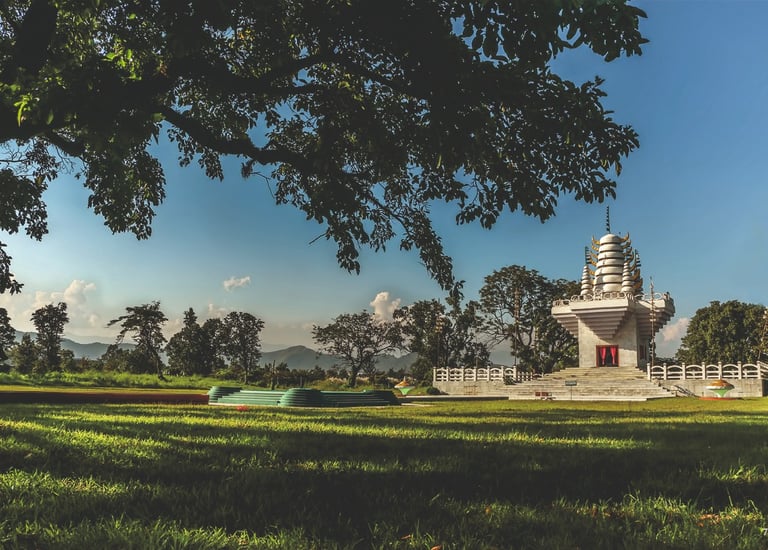
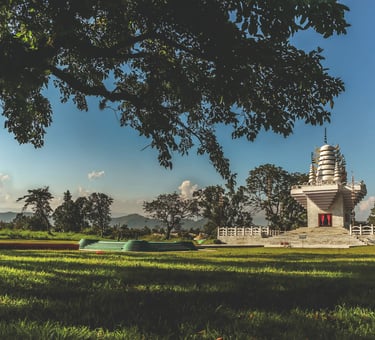
Image: Ibudhou Pakhangba Temple inside Kangla Fort
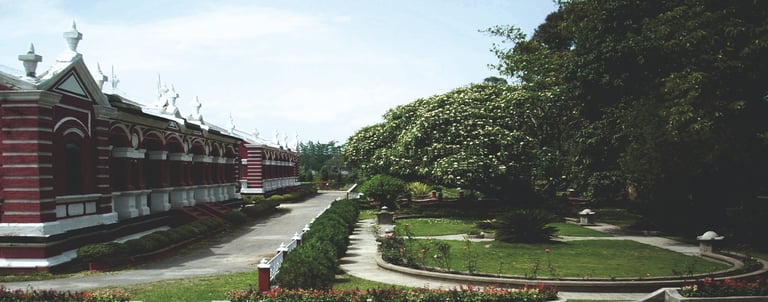
Image: Erstwhile Assam Rifles Unit Hospital now converted into Kangla Museum since November 20, 2009
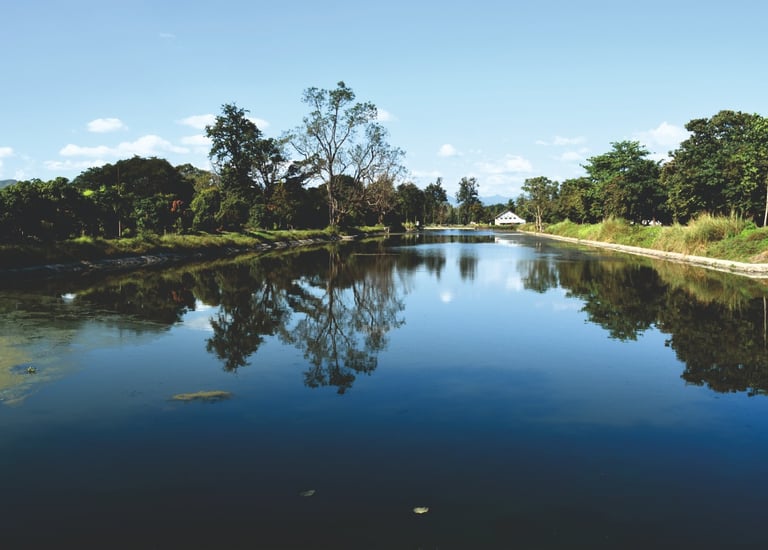
Image: Moats surrounding Kangla on three sides
A Test of Our Times
In many Indian cities, heritage complexes are either reduced to postcard monuments or commercial venues. Kangla offers another path. It can stand as a model—where history, spirituality, and ecology reinforce one another.
The February 14 bird count may not make headlines beyond Manipur. But it marks something steady and essential: a recognition that conservation is not the exclusive domain of experts. It belongs to citizens who wake before sunrise and choose to watch, record and care.
Kangla has witnessed the rise and fall of kingdoms. Today, the test is quieter but no less significant. Can a modern, expanding Imphal protect the green heart at its center? Can development proceed without devouring the very spaces that anchor identity and climate resilience?
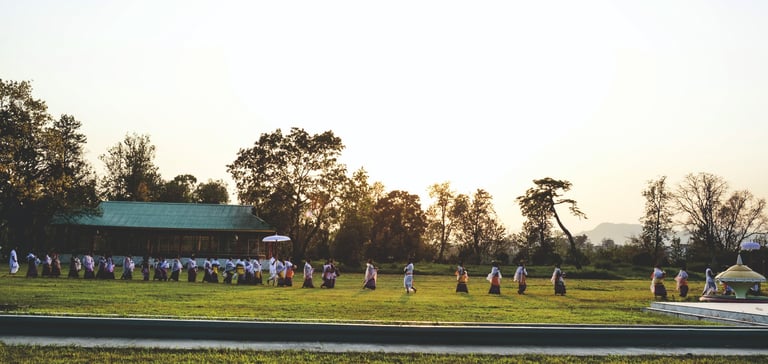
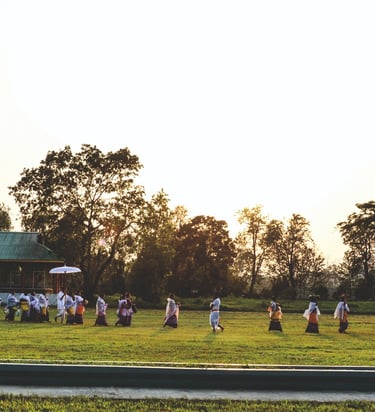
Image: Devotees come to perform Lai-e-koukhatpa, a ritual which precedes the Lai Haraoba festival inside Kangla Fort
The answer will not be written in policy papers alone. It will be heard in the continued chorus of birds at dawn, in the shade of old trees spared the axe, in the footsteps of children who learn that sacredness is not abstract—it is alive.
Kangla Fort is not merely a relic of the past. It is a living ecosystem. And like all living things, it will endure only if tended with discipline, humility and foresight.
The birds have spoken. The question is whether we are listening.
CONTACT
Waari Singbul Office
Konung Mamang
Imphal – 795001
© Copyright 2023 Waarisingbul.com. All Rights Reserved