
Koirengei: A Runway Between Memory and Amnesia
MANIPUR
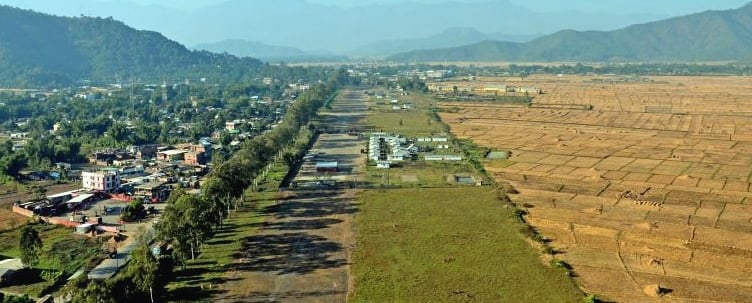
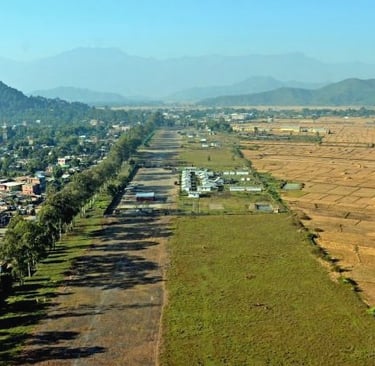
Imphal: There are landscapes that carry silence the way old soldiers carry scars. The Koirengei airfield on the outskirts of Imphal is one such ground. Once it thundered with Dakota engines and Allied fighter planes; today, it stands at the uneasy crossroads between memory and development.
Image: Present aerial view of Old Koirengei Airfield
A recent appeal on X by former Chief Minister N. Biren Singh has brought that unease into sharp public focus. Recalling that he had written repeatedly to successive Defence Ministers from 2017 to 2025 seeking preservation of the historic airfield, he expressed deep pain at reports of destruction and fresh construction despite years of dialogue. He urged Union Defence Minister Rajnath Singh to intervene in the larger interest of Manipur and the nation.
His words were not merely administrative; they were elegiac. Over 300 acres have already been donated to the Assam Rifles and are presently occupied by IGAR (South), with another 100 acres given to the BSF in close proximity to the airfield. The anxiety now is whether what remains of Koirengei will survive at all.
Former Chief Minister N Biren Singh's Tweet on X>> https://x.com/NBirenSingh/status/2021779570006032576/photo/1
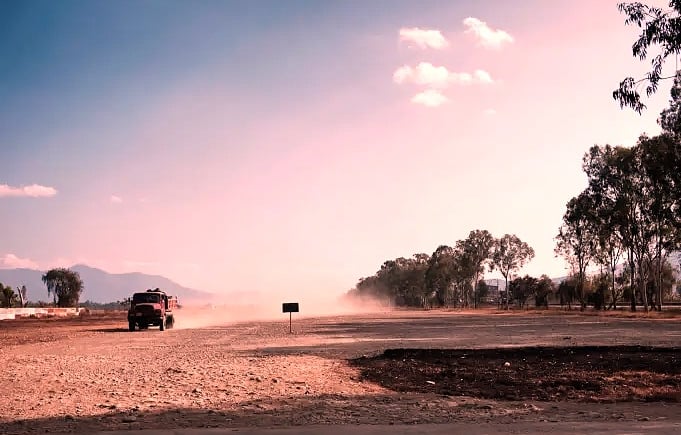
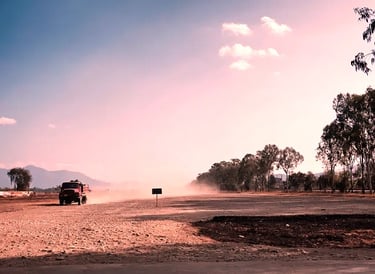
Image: Remaining Portion of Old Koirengei Airstrip
To understand what is at stake, one must return to 1944.
The British have long described the Battle of Imphal and Kohima as among the most decisive engagements of the Second World War. It was here, in the hills and plains of Manipur and Nagaland, that the Japanese advance toward India was halted and reversed. Military historians have since ranked the Battle of Imphal/Kohima among Britain’s greatest battles. But the triumph was not born in trenches alone. It rose from the air.
When Japanese forces swept through Burma in early 1942, Imphal became the obvious gateway into India. Bombers appeared in the skies over the valley. Elderly survivors still recall the shriek of engines and the sudden bloom of explosions over paddy fields. Villagers dug V-shaped trenches in their courtyards. Families fled from the town to the outskirts. Salt became precious; starvation became common. The war was not an abstraction; it sat in their fields and fell on their roofs.
In the spring of 1944, the Japanese Imperial Army crossed the Chindwin and laid siege to Imphal. For three long months, the British IV Corps was encircled. Roads were cut. Supply lines snapped. The only artery that remained open was the sky.
It was here that Manipur’s airfields altered the course of history.
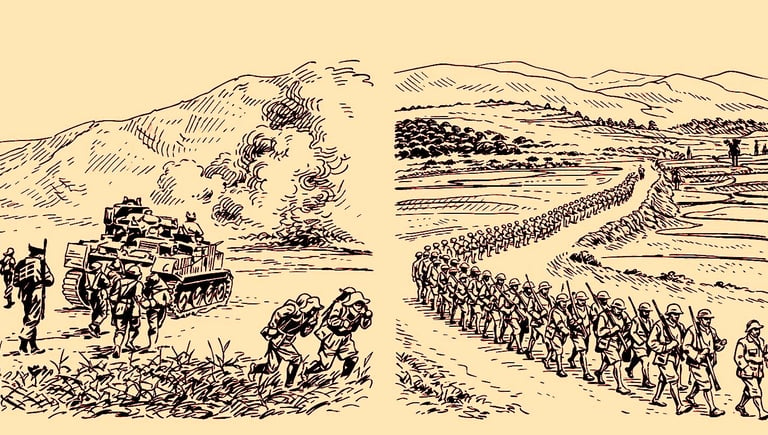
Image: Representational image of Gorkhas advance in the face of Imperial Japanese forces marching towards Imphal during WWII
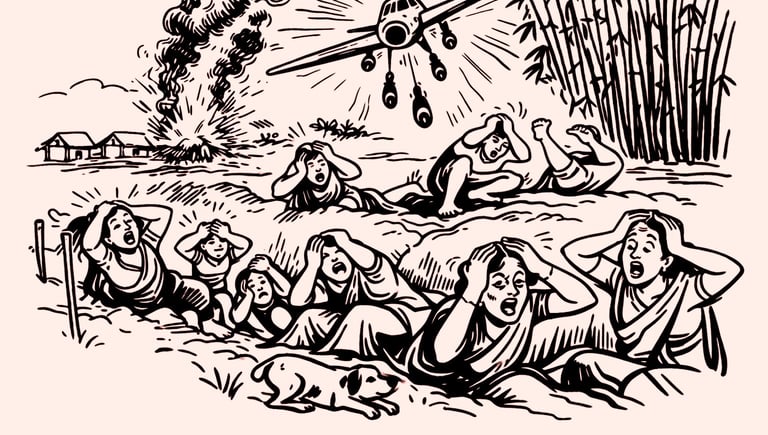
Image: Representative image of locals during bombing raid in Imphal
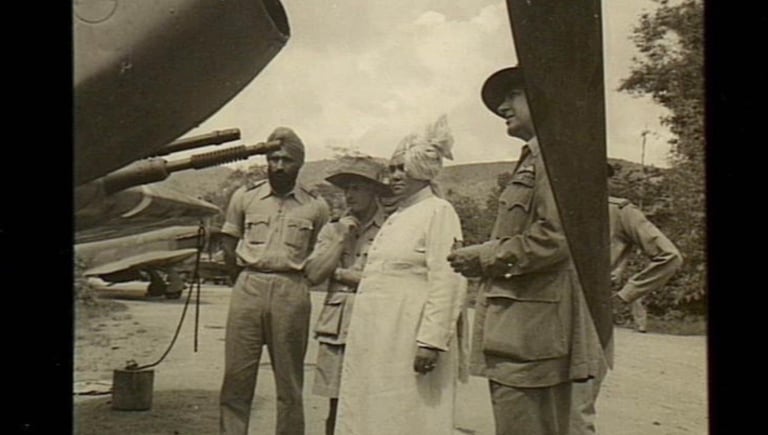
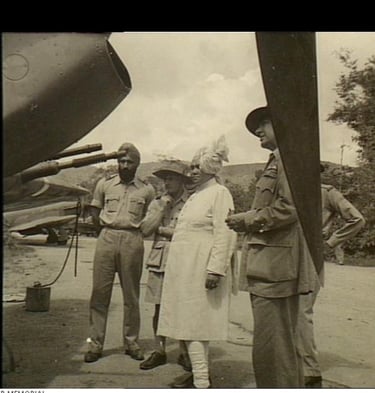
Image: Maharaja Bodhachandra seen at Koirengei Airfield during WWII
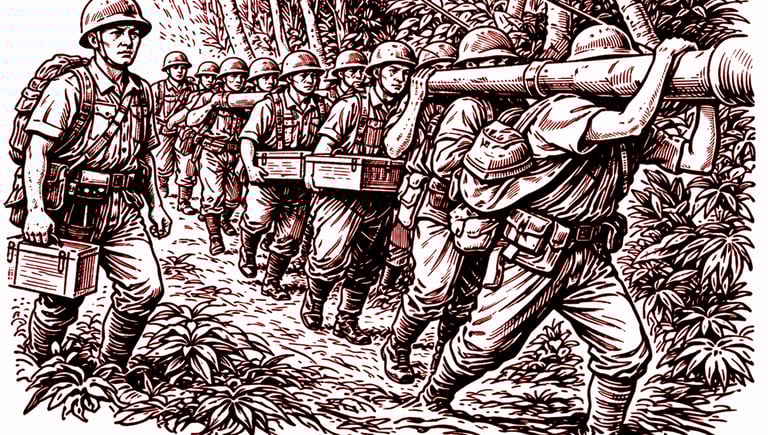
Image: Soldiers of Imperial Japanese 15th Army during Operation U-Go1944
Koirengei could be the missing chapter in that pilgrimage.
Imagine the runways conserved, the contours preserved, a memorial to Allied and Japanese airmen rising with dignity rather than concrete blocks. Imagine guided walks tracing the lines of supply drops, archival galleries narrating the air bridge that saved Imphal, a research centre attracting scholars of the Burma campaign. Normandy in France turned its beaches into living classrooms of history. There is no reason why Manipur’s skies and soil cannot do the same.
Instead, there are visible signs of incremental construction. The present custodian of the airfield is the Ministry of Defence. The land is occupied on the ground by the Territorial Army. New structures are reportedly coming up. This is precisely where the question sharpens. It is now for the Ministry of Defence and the Government of India to pause and reason. Will this historic ground be handed over to the Government of Manipur to be shaped into a world heritage site worthy of its past? Or will it be treated as real estate awaiting routine development?
Development is necessary; no one disputes that. Manipur needs infrastructure, employment and housing. But development that bulldozes memory is not progress; it is amnesia paved in concrete. Once a runway is broken, once its original alignment disappears beneath foundations, authenticity cannot be reconstructed. A plaque cannot substitute for preserved ground. War heritage is not portable; it is anchored to geography.
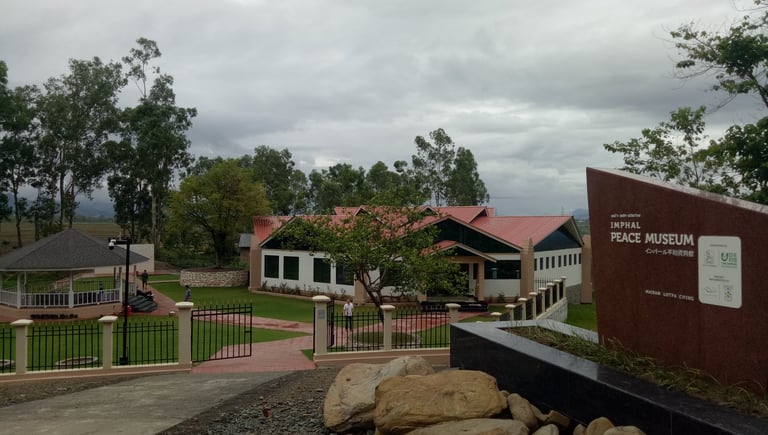
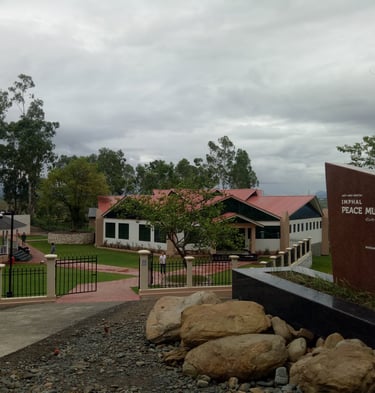
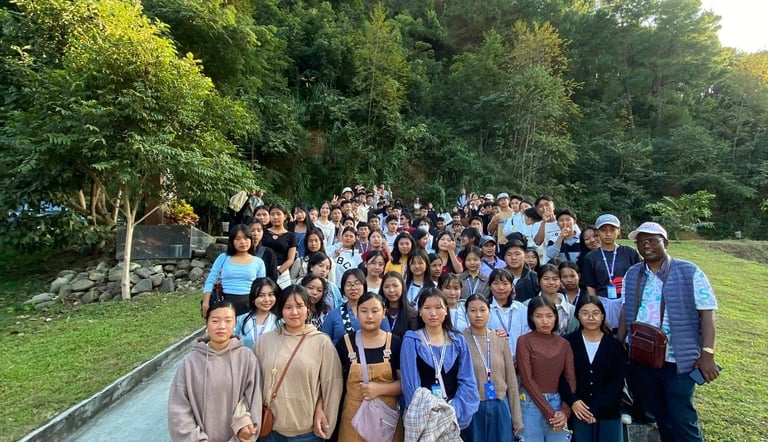
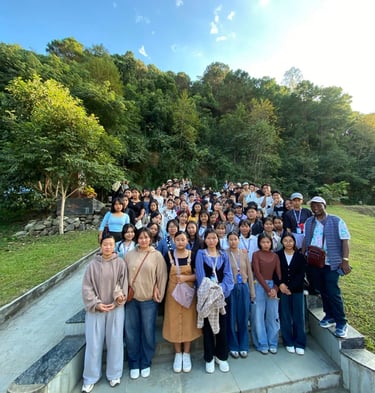
Image:Imphal Peace Museum
Image: Study Tour at the Imphal Peace Museum
The former chief minister’s appeal reflects a wider civilian unease. If Koirengei is consumed piece by piece, Manipur will not merely lose land; it will forfeit inheritance. The opportunity cost is enormous. A carefully preserved and interpreted World War heritage complex could generate sustained tourism revenue, international academic collaboration and global visibility. It could turn Manipur into a pilgrimage site for descendants of Allied and Japanese soldiers alike. Hotels would fill. Guides would find work. Local communities would benefit. More importantly, the state would claim its rightful place in global memory.
If deprived of that chance, the loss will not be symbolic alone. It will be economic, cultural and moral.
War tourism, at its noblest, is not spectacle but education and reconciliation. Visitors who stand on authentic ground carry stories back across oceans. They become ambassadors of memory. In a region that has known its own cycles of turmoil, preserving such sites affirms that suffering endured is not suffering forgotten. There is also the matter of moral ownership. The Battle of Imphal/Kohima was not fought by distant empires in isolation. Manipuris suffered bombardment, evacuated homes, dug trenches, lost fathers and sons. The soil bears their story. To allow that soil to be irreversibly altered without due reflection is to silence them twice.
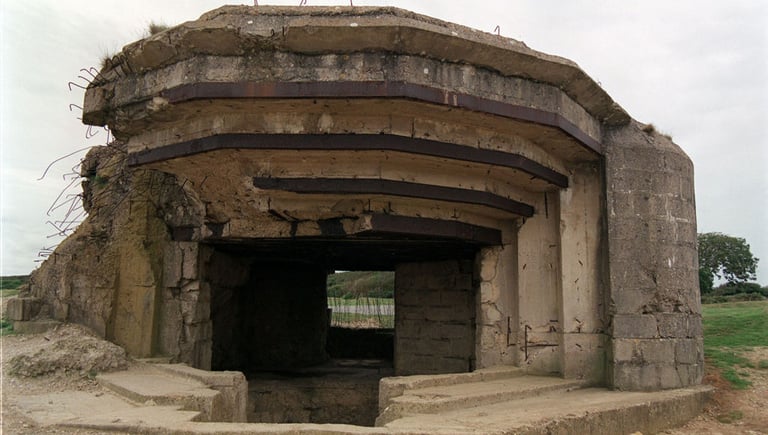
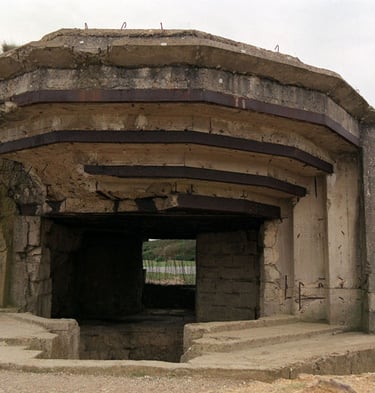
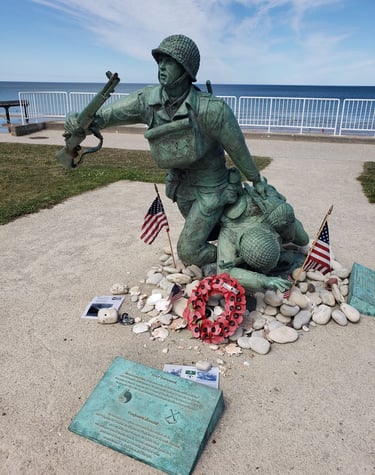
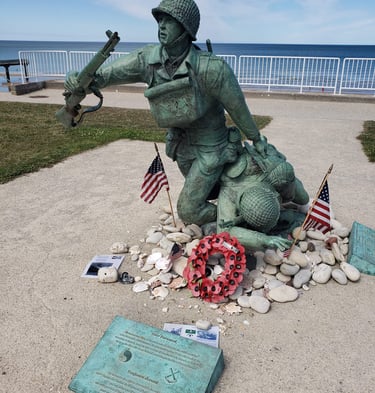
Image:Concrete German Bunkerin Normandy, France
Image:Installation at Normandy Beach
The former chief minister’s appeal reflects a wider civilian unease. If Koirengei is consumed piece by piece, Manipur will not merely lose land; it will forfeit inheritance. The opportunity cost is enormous. A carefully preserved and interpreted World War heritage complex could generate sustained tourism revenue, international academic collaboration and global visibility. It could turn Manipur into a pilgrimage site for descendants of Allied and Japanese soldiers alike. Hotels would fill. Guides would find work. Local communities would benefit. More importantly, the state would claim its rightful place in global memory.
If deprived of that chance, the loss will not be symbolic alone. It will be economic, cultural and moral.
War tourism, at its noblest, is not spectacle but education and reconciliation. Visitors who stand on authentic ground carry stories back across oceans. They become ambassadors of memory. In a region that has known its own cycles of turmoil, preserving such sites affirms that suffering endured is not suffering forgotten. There is also the matter of moral ownership. The Battle of Imphal/Kohima was not fought by distant empires in isolation. Manipuris suffered bombardment, evacuated homes, dug trenches, lost fathers and sons. The soil bears their story. To allow that soil to be irreversibly altered without due reflection is to silence them twice.
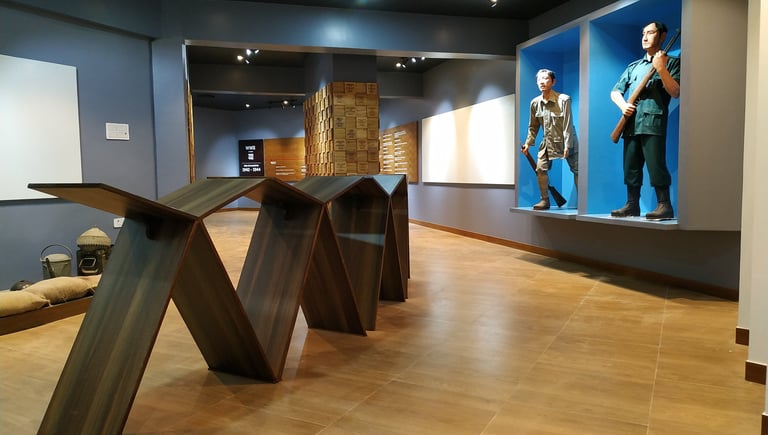
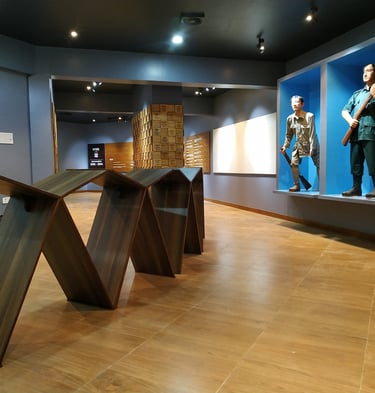
Image: Inside the Imphal Peace Museum
Between bulldozers and remembrance lies decision. If Koirengei is lost to ordinary development, Manipur will not only forfeit a tourist circuit; it will surrender a chapter of world history written on its soil. And some chapters, once erased, do not return — not even with regret.
CONTACT
Waari Singbul Office
Konung Mamang
Imphal – 795001
© Copyright 2023 Waarisingbul.com. All Rights Reserved