Major Arms Haul in Manipur Raises Questions Over Ceasefire Dynamics and Insurgent Networks
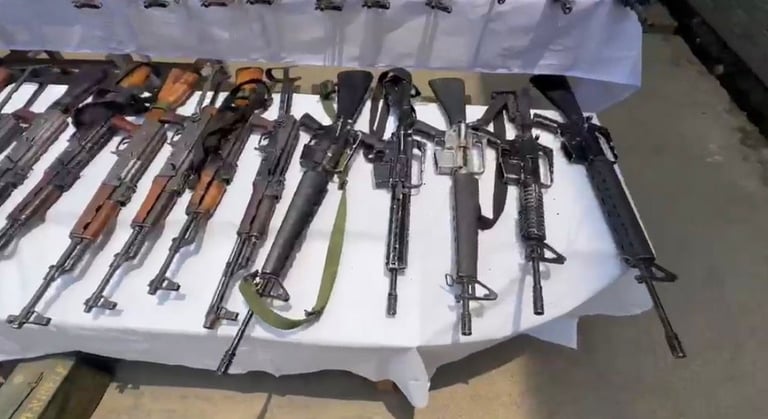
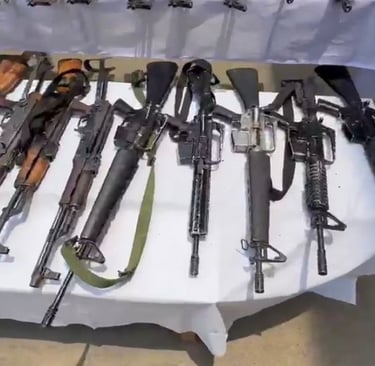
Imphal: In a significant counter-insurgency breakthrough, joint security forces in Manipur recovered a large cache of sophisticated weapons and ammunition and apprehended active cadres linked to the proscribed outfit Pambei factor of the United National Liberation UNLF (P), indicating the continuing volatility in the conflict-ridden state.
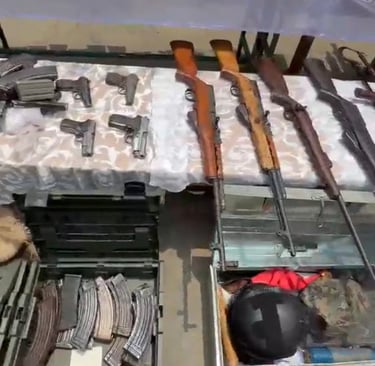
Acting on credible intelligence regarding the sale of looted arms in the Lamshang area, Manipur Police launched a special operation at Lamdeng under Lamshang Police Station on May 20. During the operation, two active cadres of UNLF (P) were arrested while allegedly attempting to sell an INSAS Light Machine Gun (LMG), along with magazines and live ammunition.
Police stated that associates of the militants opened fire during the arrest operation, resulting in a brief exchange of gunfire. Two additional cadres allegedly involved in firing upon security personnel were later apprehended.
During preliminary interrogation, the arrested individuals reportedly disclosed that they had come to sell the seized weapon under the instructions of a self-styled UNLF (P) leader and admitted involvement in previous sales of looted arms and ammunition.
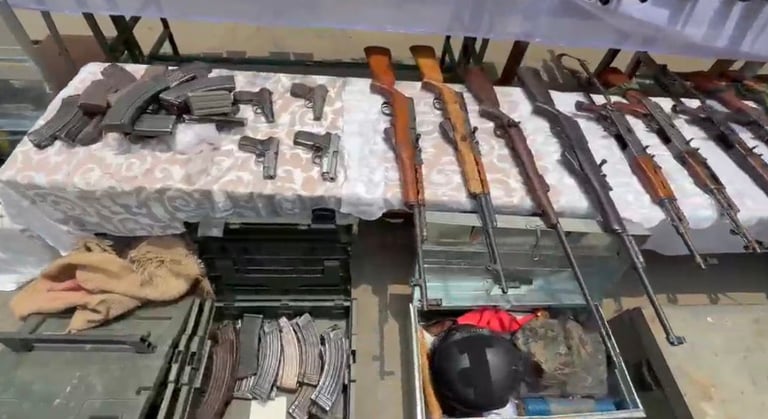
Subsequent cordon and search operations conducted jointly by Manipur Police, Assam Rifles, and CRPF at an alleged unauthorized UNLF (P) camp in Lamdeng led to the recovery of a substantial cache of weapons.
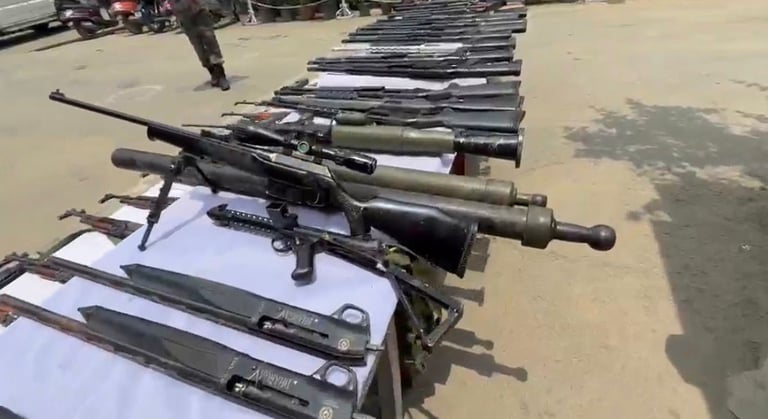
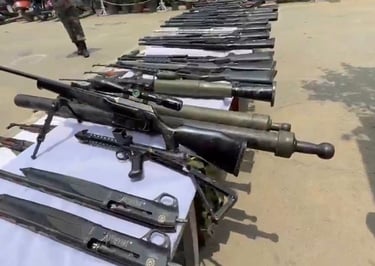
Security forces seized 29 firearms on May 20 and another 38 weapons and heavy military stores on May 21.
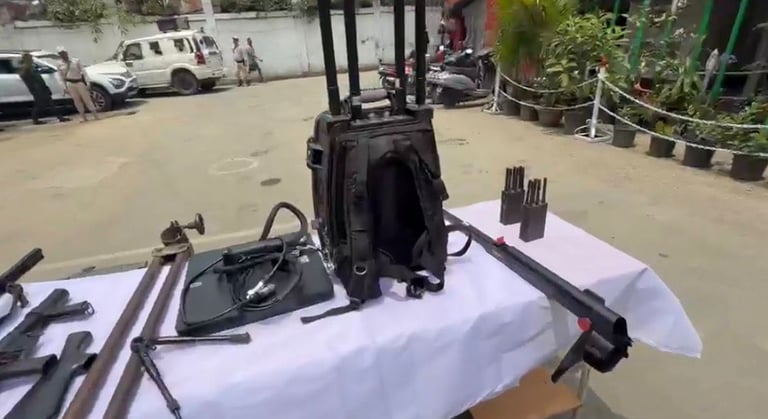
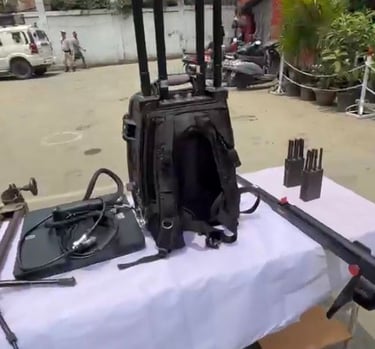
The recovered arsenal included AK-series rifles, M-series rifles, pistols, sniper rifles, carbines, mortars, shotguns, an RPG-7 launcher, explosives, ammunition, and anti-drone equipment — a recovery considered significant amid growing concerns over the proliferation of illegal arms in the state.
The development assumes added significance as UNLF (P), is a breakaway faction of the oldest the border state perceived generally as a Meitei dominated insurgent group insurgent, who had entered into a ceasefire arrangement with the Government of India and was awaiting the commencement of formal peace talks. While agreeing to suspend armed hostilities, the outfit had publicly maintained that it had not abandoned its core ideological position, namely the restoration of Manipur’s sovereignty, which it had earlier projected as a fundamental issue in any political engagement.
The reported involvement of cadres associated with the group in illegal arms transactions is likely to raise concerns over the complexities of ceasefire management and the challenges of transitioning armed outfits into structured peace processes.
Manipur continues to confront a deeply layered crisis shaped by insurgency, ethnic polarisation, the unchecked circulation of looted weapons, cross-border migration concerns, drug trafficking, and competing ethnic-based political aspirations. Since the outbreak of ethnic violence, the proliferation of arms has emerged as one of the gravest threats to peace and stability in the multi-ethnic state.
Security observers argue that dismantling illegal arms networks and ensuring accountability among both insurgent and non-state armed actors remain indispensable for restoring public trust and lasting peace in Manipur.
Authorities have appealed to citizens to report any information regarding looted or illegally possessed weapons, stressing that public cooperation remains essential in securing peace and normalcy.
CONTACT
Waari Singbul Office
Konung Mamang
Imphal – 795001
© Copyright 2023 Waarisingbul.com. All Rights Reserved